
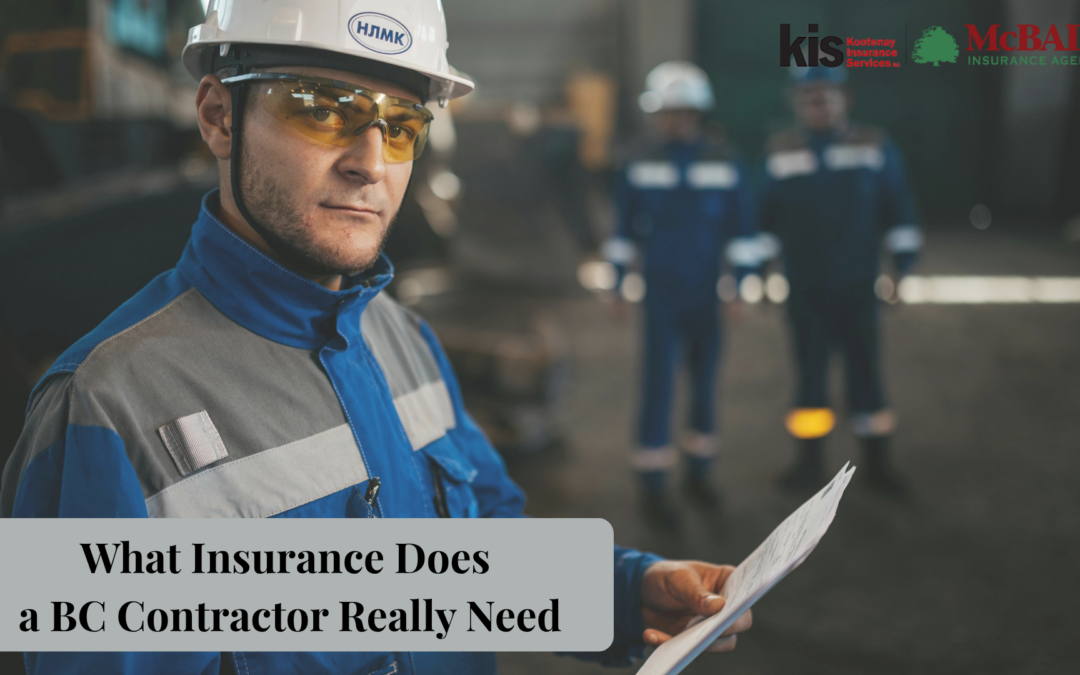
- BC contractors need layered coverage that protects their work, people, and property from everyday risks and unexpected liabilities.
- A smart insurance strategy combines core policies, such as general liability and builder’s risk, with modern add-ons and cyber protection.
- Working with an experienced insurance agency ensures every policy is tailored to local regulations, project size, and on-site realities.
In construction, every blueprint is a promise, and every contractor knows that true success lies in managing risk as carefully as the build itself. With tight deadlines, subcontractors, weather delays, and moving equipment, much can go wrong before a project is complete.
Insurance isn’t just another box to tick; it’s the shield that protects your business, your tools, and your reputation when the unexpected hits. Here’s a closer look at the types of insurance every BC contractor truly needs, and how the right coverage can mean the difference between setback and stability.
1. Core Coverage: Protecting the Work You Do Every Day
Contracting is unpredictable. One day, you’re managing a small remodel; the next, you’re on a commercial site with multiple subcontractors, shifting timelines, and deadlines that don’t forgive mistakes. Business insurance forms the foundation of financial protection, covering daily operations, unexpected accidents, and costly legal claims before they derail progress.
It’s the safety net that allows you to take on new challenges without second-guessing what happens if something goes wrong. In a field where reputation and reliability mean everything, coverage is what keeps both intact.
a. General Liability Insurance
This is the cornerstone of any contractor’s protection plan. It covers injuries or property damage caused during your work, such as a client tripping on your site or accidental water damage during a renovation. Without it, a single claim could lead to lawsuits or lost contracts.
More importantly, many clients and project owners require proof of this insurance before signing agreements, making it a non-negotiable step toward building trust and credibility.
b. Tools and Equipment Coverage
Your tools are your livelihood. A saw, compressor, or excavator isn’t just a piece of metal; it’s part of your productivity. Equipment coverage protects against theft, loss, or damage, whether the tools are in your truck, on-site, or temporarily stored.
In BC, where projects often span remote or weather-exposed areas, this coverage is essential. It ensures that even if setbacks occur, your work doesn’t have to stop, keeping your team moving and your timelines intact.
c. Commercial Auto Insurance
For many contractors, vehicles serve as both mobile offices and tool storage. Commercial auto insurance ensures coverage for damage, liability, and business-use accidents. Personal policies don’t cover business-related incidents, and that’s a common mistake contractors only realize after an accident. With this protection in place, every trip, whether delivering materials or moving between sites, stays fully insured, reducing both downtime and stress.
d. Contractor’s Pollution Liability
This often-overlooked yet important policy protects you from claims related to environmental damage. A small fuel spill, chemical leak, or debris contamination could result in thousands in cleanup costs and potential regulatory fines.
Having this coverage signals responsibility and compliance with BC’s strict environmental standards, something that not only protects your finances but also strengthens your professional reputation in an industry that’s becoming more sustainability-focused.
e. Errors and Omissions (Professional Liability)
Even the most experienced contractors make judgment calls, and sometimes, those decisions can lead to claims of negligence or design errors. This policy covers defense and settlement costs, helping you manage risk in complex, high-stakes projects.
From design misinterpretations to project delays caused by overlooked details, this coverage ensures that one mistake doesn’t undo years of hard-earned credibility. It’s especially valuable for contractors handling design-build or advisory roles within a project.
2. Protecting Your People and Property

Every construction site is a blend of people, property, and pressure. When something goes wrong, the cost isn’t just financial; it can impact timelines, morale, and reputation. Comprehensive property coverage and worker-focused protection form the second layer of a contractor’s safety net.
These policies ensure that when challenges arise, whether it’s a broken scaffold or an injured worker, your business can recover fast and continue building without losing momentum.
a. Property and Equipment Insurance
Construction sites face constant exposure. Weather, vandalism, and on-site accidents can damage materials or temporary structures at any time. Property insurance helps you recover quickly, ensuring minimal downtime and predictable cash flow even when setbacks strike.
For contractors working across BC’s varying climates, this coverage is vital to staying operational no matter what nature or circumstance throws your way. It’s about protecting not just what you’ve built, but what’s still in progress.
b. Builder’s Risk Insurance
Think of this as “insurance in progress.” It protects buildings under construction, covering damage from fire, theft, or natural disasters. Since many BC projects face coastal weather and terrain challenges, builders’ risk policies are often tailored to each job’s duration and scope.
This flexibility allows you to safeguard materials, labor, and even soft costs like delays or lost profits, ensuring every phase of your project stays secure until handover.
c. Workers’ Compensation Coverage
If you employ staff, you must have WorkSafeBC coverage. But going beyond the basics can make all the difference. Comprehensive workers’ compensation not only covers medical expenses, lost wages, and rehabilitation but also boosts team morale and trust.
It signals to clients and subcontractors that safety isn’t just a compliance box to tick, it’s part of your company culture. When employees know they’re protected, productivity and retention rise naturally.
d. Subcontractor Liability Management
When subcontractors are part of the job, your liability can extend to their actions, even if you weren’t directly involved. A single gap in their insurance can expose your company to financial and legal risk.
The smart move? Require certificates of insurance and maintain oversight through a trusted insurance agency that understands BC’s contractor laws and coverage standards. Proactive management here means avoiding expensive surprises later and maintaining full control over your project’s risk profile.
e. Cyber and Data Protection
Even in construction, digital threats are real. Estimation tools, project plans, and invoices now live online, and a single phishing email or ransomware attack can halt operations. Cyber insurance covers ransomware, data theft, and email fraud, ensuring your business keeps running even when digital disruptions strike. As more contractors embrace technology for project management and client communication, having cyber protection isn’t optional anymore; it’s another form of jobsite safety, just in the cloud.
3. Long-Term Stability: Building an Insurance Strategy That Grows with You
Insurance shouldn’t be treated like a one-time purchase. As your contracting business expands with new clients, machinery, and risks, your coverage should evolve with it. A resilient contractor doesn’t just buy insurance; they manage it as a living strategy.
a. Annual Policy Review
Your insurance needs this year won’t match next year’s. Reviewing your policy annually ensures your coverage scales with your business size, project type, and workforce. A quick check with your broker can prevent underinsurance, a common and costly oversight.
b. Project-Specific Add-ons
High-value or high-risk projects often require unique coverage extensions: performance bonds, marine cargo for imported materials, or additional insured clauses for partners. Tailoring coverage ensures contracts stay valid and projects move forward without administrative bottlenecks.
c. Integrating Fleet, Site, and Office Policies
Fragmented insurance policies create confusion and coverage gaps. Combining auto, site, and property insurance under one umbrella simplifies management and often reduces overall premiums. Contractors who unify policies through one experienced insurance agency gain better claim response times and fewer administrative headaches.
d. Claim Support and Risk Consultation
The true value of an insurance provider isn’t in selling a policy; it’s in standing by you when things go wrong. Having access to responsive claim support and proactive risk consulting can prevent minor issues from becoming financial crises. Look for agencies that guide, not just insure.
e. Future-Focused Protection
The BC construction industry is changing, from green building standards to new liability laws. Smart contractors future-proof their coverage by staying informed and adapting early. Whether it’s drone liability, equipment automation, or subcontractor digitization, forward-thinking insurance is now part of operational excellence.
Beyond Coverage: Building Confidence in Every Contract
Insurance isn’t about expecting the worst; it’s about creating confidence in what you do best. Every contract you sign, every tool you operate, every site you secure is strengthened by the protection standing behind it. BC contractors are problem-solvers, innovators, and risk-takers. The right coverage frees you to focus on performance, not protection, because you already know someone’s got your back if things go sideways.
When you treat insurance as an investment in stability, you operate with confidence that sets you apart from competitors.
Kootenay Insurance Services is your trusted partner in building a business that’s strong, secure, and future-ready. Our experienced advisors understand the BC contractor landscape, from local compliance to emerging risks. Get in touch to safeguard what you’ve built before risk even knocks.