

- Winter creates high risks for Kootenay homes, like heavy snow, frozen pipes, and ice buildup.
- A clear winter-proofing routine protects your roof, plumbing, heating system, and walkways.
- The right home insurance and add-ons help cover winter damage, so make sure to review your policy before the season begins.
Winter in the Kootenays hits hard. Long nights, low temperatures, and heavy snow create a mix of challenges for homeowners across the region. Every year brings frozen pipes, ice buildup, roof strain, and unexpected damage that can lead to costly repairs. The good news is that a thoughtful plan makes a big difference. When you combine solid preparation with strong coverage, your home stands a much better chance against winter conditions.
In this blog, we’ll walk you through practical steps for winter-proofing your home, along with a clear look at what your Kootenay home insurance usually covers during the coldest months.
Understanding Winter Risks in the Kootenays
The Kootenays see intense winter patterns that can push a home to its limits. Snow arrives early, piles up fast, and sticks around for months. Temperatures can dip without warning, putting pressure on structures that are already dealing with moisture, ice, and shifting weight.
A few common winter risks include:
Heavy Snowfall
Snow might seem harmless at first, but repeated storms can load hundreds of pounds onto your roof. Accumulated snow can cause sagging, leaks, or even structural issues. When temperatures swing up and down, snow can melt and refreeze. This cycle can form ice dams that trap water under shingles.
Sudden Cold Snaps
A cold snap can freeze water inside pipes. When water expands into ice, it pushes outward with enough force to split open pipes. Damage often goes unnoticed until temperatures rise again and water starts rushing into the home.
Ice Buildup
Ice forms on gutters, steps, and walkways. Beyond slipping hazards, ice can block drainage paths and push water into places it should never go, including wall cavities and roofing layers.
Power Outages
Winter storms can knock out power for hours or sometimes days. A home without heat during sub-zero weather is vulnerable to frozen plumbing, spoiled food, and condensation problems.
Understanding what winter can do to a home helps you take the right steps long before storm season arrives.
Exterior Winter-Proofing Checklist
The outside of your home faces the harshest conditions. Strong winter home maintenance starts here. Focus on the areas that meet snow, ice, and wind first.
1. Roof Inspection
Start by checking for loose shingles, soft spots, or sagging sections. A worn or damaged roof is far more likely to leak when snow sits on it for weeks. Clear leaves and branches that trap moisture. If your home sits under tall trees, cut away overhanging limbs that might fall under the weight of snow.
2. Gutter and Downspout Cleaning
Blockages keep water from flowing away. When water sits in gutters during freezing weather, it turns into ice. Ice can lift shingles and leave gaps that let water seep in. Make sure gutters are clear before winter begins.
3. Windows and Doors
Cold air creeps into tiny gaps around frames. Over time, this steady flow of cold air raises heating bills and creates uneven temperatures inside your home. Use weatherstripping around doors and window edges. Inspect caulking for cracks and refill where needed.
4. Exterior Walls and Siding
Look for loose siding or spots where moisture has collected. Damaged siding allows wind and water to enter hidden parts of your home. Catching these issues before winter helps prevent larger problems.
5. Foundation Checks
Walk around the perimeter and look for cracks. Small cracks expand when water freezes inside them. A quick patch or sealant can keep cracks from widening during winter.
6. Driveway and Walkways
Snow-covered surfaces turn slippery fast. A smooth, even walkway lowers the chance of falls. If your driveway has dips that collect water, you might also see ice pools forming. Address these low points before temperatures drop.
7. Detached Structures
Garages, sheds, and carports face the same snow load and wind pressure as your home. Check their roofs, supports, and doors. These structures often get overlooked, yet hold expensive tools and equipment that could be damaged by leaks or collapse.
Good exterior maintenance sets the foundation for strong winter protection. Each step reduces stress on your home and gives you fewer problems when storms hit.
Interior Winter-Proofing Checklist
Your indoor systems need just as much attention. Keeping the inside warm, dry, and functional helps prevent the most common winter problems.
1. Heating System Care
Your furnace or heat pump works harder during winter. A simple cleaning and filter replacement improves airflow and makes heating more stable. If your home has a wood stove, clean the chimney to prevent buildup that could create smoke problems or fire hazards.
2. Plumbing and Pipes
Pipes along exterior walls, crawl spaces, and unheated basements face the highest risk. Wrap exposed sections with foam insulation. Open cabinet doors under sinks during very cold nights so warm air can reach the pipes. If you travel in winter, keep the heat on at a steady temperature to avoid freeze-ups.
3. Insulation
Heat rises, and homes lose most of their warmth through the attic. Extra insulation creates a stronger barrier against cold. Proper insulation also helps prevent ice dams by keeping your roof surface cold and even.
4. Humidity and Ventilation
Winter dryness can cause wood floors to shrink, while too much moisture invites condensation. A small humidifier or dehumidifier can balance indoor air. Proper ventilation keeps indoor air fresh while avoiding mould growth.
5. Electrical Safety
Winter storms can lead to flickering lights or temporary outages. Test smoke and carbon monoxide alarms. Make sure extension cords are in good shape and avoid overloading outlets with heaters or holiday lighting.
Each of these interior steps strengthens your home from the inside out and reduces the risk of expensive repairs.
Preventing the Most Common Winter Claims
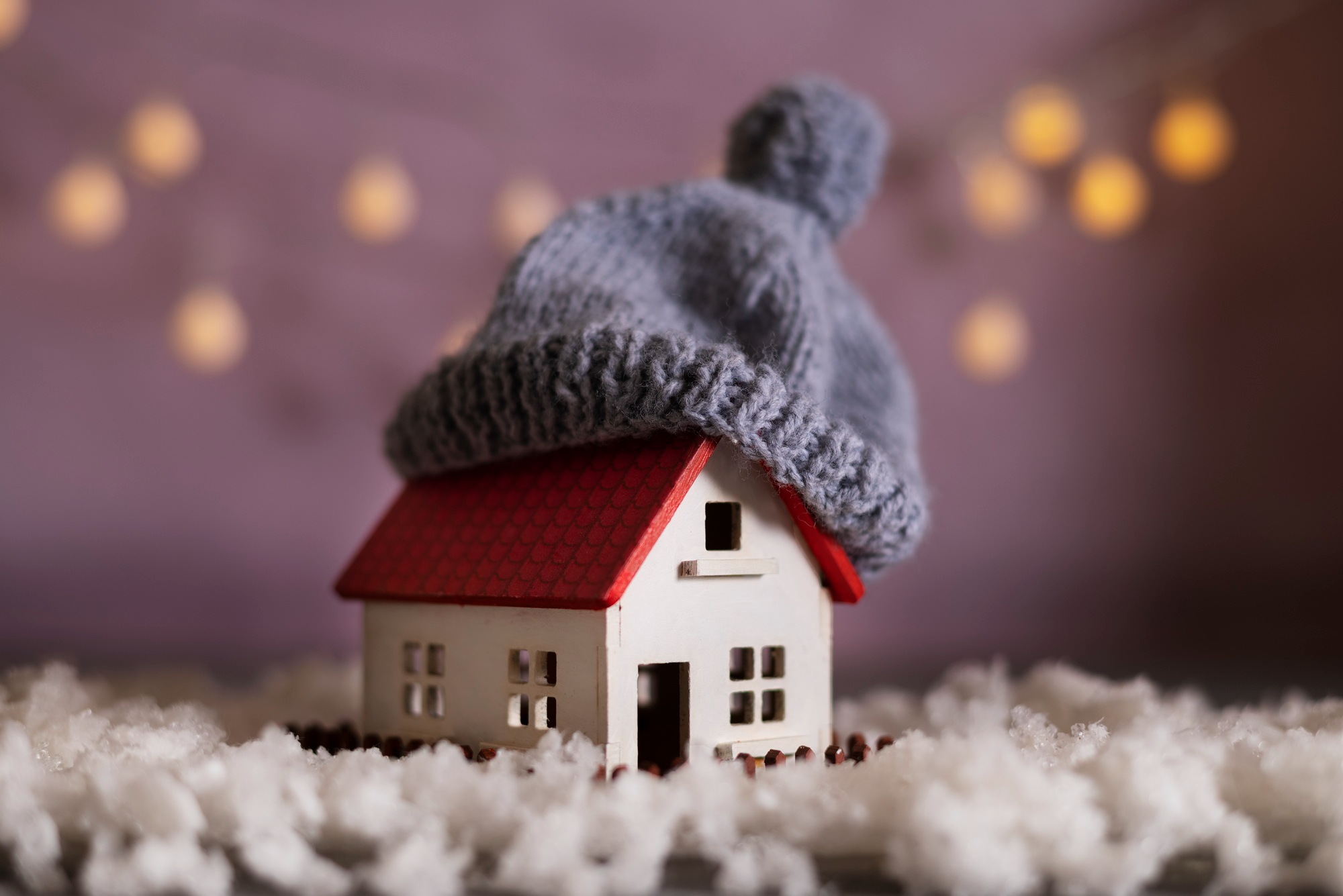
Insurance claims spike during winter, with frozen pipes, ice damage, and roof problems becoming common. Taking a few specific steps can greatly reduce these risks.
Frozen Pipes
A frozen pipe often bursts when temperatures rise and water pressure returns. Keep steady airflow around pipes. Add insulation around vulnerable areas. If your home has a history of pipe problems, consider heat tape for the coldest zones.
Ice Dams
Ice dams form at the edge of your roof. They trap water behind a wall of ice, which pushes moisture under shingles. Cleaning gutters, improving attic insulation, and keeping roof edges clear reduces the chance of ice dams forming.
Roof Collapse
Heavy snow puts enormous pressure on roof structures. Clearing deep snow from the roof during long, cold spells can help. Use a roof rake from ground level so you stay safe.
Water Leaks
As snow melts, water tries to move downward. If your home has weak spots in the roof, walls, or around windows, water can sneak inside. Regular fall maintenance lowers this risk.
Fire Hazards
Space heaters, fireplaces, and overloaded outlets lead to many winter fires. Keeping heating equipment in good condition and giving space heaters plenty of room lowers the risk.
Slip and Fall Injuries
Homeowners sometimes forget their liability exposure. Clearing snow and treating icy walkways helps protect both guests and delivery workers.
What Your Home Insurance Typically Covers
This is where your Kootenay home insurance comes into play. While different policies vary, most home insurance plans cover many types of winter damage.
- Structural Damage: This usually covers damage from heavy snow, falling branches, or wind. It includes broken roofs, cracked walls, and ruined ceilings.
- Water Damage: If a burst pipe causes sudden water damage, this type of event is usually covered. Water damage from an ice dam is sometimes included, too, depending on the policy.
- Fire and Smoke: House fires caused by heating equipment, electrical issues, or chimney problems are generally covered.
- Liability Protection: If someone slips on your walkway and gets hurt, liability coverage can help with legal and medical costs.
- Additional Living Expenses: If your home becomes unlivable during repairs, your policy often covers temporary housing and related costs.
Insurance helps during emergencies, but not all winter problems fall under standard coverage.
Optional Add-Ons Worth Considering
Certain kinds of winter damage require extra protection.
Sewer Backup
Melting snow combined with blocked drains can lead to sewage backing into basements. Sewer backup coverage is often added separately.
Overland Water
Rising water from heavy rain or rapid thawing might not be covered without this add-on.
Equipment Breakdown
If your furnace stops working due to a mechanical breakdown, this coverage may help with repair or replacement.
Extended Replacement Cost
Construction costs can rise quickly. This add-on provides extra protection if repairs cost more than expected.
Tips to Improve Your Coverage Before Winter
You can make your policy work better for you with a few simple steps.
- Review Your Policy: Look through your coverage limits. Check deductibles. Make sure recent home upgrades appear in your policy.
- Update Your Broker: If you added a new heating system, finished a basement, or bought high-value items, your broker should know so your coverage stays accurate.
- Check for Gaps: Ask about common winter issues in your area. A quick review may reveal small gaps that are easy to fix with an add-on.
Good communication with your broker helps your policy match your actual home and lifestyle.
When to Contact Your Insurance Broker
Reach out to your broker when:
- You notice damage that might turn into a claim.
- You finish renovations
- You plan to travel during the winter.
- You see a possible risk, like a sagging roof or frozen pipe.
Your broker can walk you through the next steps, talk through your coverage, and help you avoid larger problems.
If you want help with winter-proofing your home, talk to a Kootenay Insurance Services broker today. Our team will walk you through your coverage, point out gaps, and help you prepare before winter hits. Get in touch today for a quick conversation that can save you from major surprises later!